A strong and well-maintained foundation is the backbone of any structure. It not only supports the building’s weight but also ensures long-term stability and safety. One of the most critical aspects of protecting a foundation is waterproofing. While often overlooked by property owners, effective Foundation Repair Murfreesboro TN plays a vital role in preserving structural integrity, preventing costly repairs, and enhancing overall property value. Understanding how waterproofing contributes to foundation longevity can help homeowners and property investors make informed decisions that protect their investment over the long term.
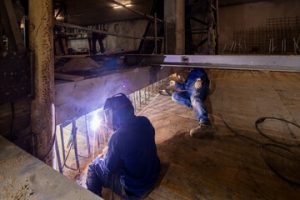
Water is a primary enemy of foundations. Excess moisture can penetrate concrete or masonry, leading to cracks, soil erosion, mold growth, and structural weakening. Over time, these issues can escalate into major problems that compromise both safety and aesthetics. Waterproofing acts as a barrier, preventing water from infiltrating the foundation and mitigating the risks associated with prolonged moisture exposure.
Why Foundation Waterproofing Is Essential
Many property owners underestimate the importance of foundation waterproofing. It is more than just a protective layer—it is a preventative measure that addresses a wide range of potential hazards. Water damage is often insidious, starting with minor leaks or seepage that may go unnoticed until serious structural issues arise.
Common consequences of inadequate waterproofing include:
Cracks and Settlement – Water penetration can weaken the soil supporting the foundation, leading to uneven settlement and crack formation.
Mold and Mildew – Moisture creates the perfect environment for mold growth, which can affect indoor air quality and pose health risks.
Structural Compromise – Persistent water infiltration gradually erodes concrete, mortar, or other foundational materials, reducing load-bearing capacity.
Decreased Property Value – Buyers often view water-damaged foundations as a red flag, lowering the perceived value of a property.
By implementing comprehensive waterproofing solutions, property owners protect their foundations from these common threats, ensuring durability, safety, and financial security.
How Waterproofing Extends Foundation Longevity
A properly waterproofed foundation can last decades longer than one left exposed to the elements. Waterproofing addresses the root cause of water damage rather than just the visible effects, preventing deterioration from occurring in the first place.
Waterproofing methods create an effective barrier between the foundation and surrounding soil, preventing moisture intrusion. Techniques include:
Exterior Waterproofing Membranes – Applied directly to foundation walls, these coatings block water from entering the structure and protect against soil pressure and hydrostatic forces.
Interior Sealants and Coatings – Interior treatments prevent water that has already penetrated from causing damage to interior walls or flooring.
Drainage Solutions – Installing proper exterior drainage systems, such as French drains or perimeter piping, ensures that water is diverted away from the foundation.
By combining these strategies, waterproofing systems reduce the risk of cracks, settling, and erosion. This not only preserves the foundation’s structural integrity but also extends the lifespan of the building itself.
Preventing Soil Erosion and Hydrostatic Pressure
Water that accumulates around the foundation exerts hydrostatic pressure, pushing against walls and floors and causing them to crack or bow. Soil erosion can further exacerbate these issues by washing away the base that supports the foundation.
Waterproofing systems, particularly those that integrate drainage solutions, mitigate these risks. By redirecting water away from the foundation, these systems reduce soil saturation and prevent hydrostatic pressure from building up. This proactive approach stabilizes the foundation and minimizes the likelihood of settlement or structural deformation.
Enhancing Property Value Through Waterproofing
A well-maintained foundation directly impacts property value. Potential buyers often inspect the basement or foundation as a key indicator of the overall condition of the property. Signs of water damage, such as stains, efflorescence, or musty odors, can significantly reduce a property’s market appeal.
Investing in professional waterproofing improves both the tangible and perceived value of a property. It reassures buyers that the foundation is protected, reduces concerns about future repairs, and demonstrates that the property has been well-maintained.
Key benefits of waterproofing in terms of property value include:
Improved Marketability – Homes with waterproofed foundations are more attractive to buyers who prioritize structural integrity.
Reduced Negotiation Pressure – Properties free from water-related issues are less likely to incur discounts or repair concessions during sale negotiations.
Long-Term Cost Savings – Buyers recognize that a waterproofed foundation minimizes future repair expenses, enhancing the property’s overall value proposition.
Common Waterproofing Techniques
Understanding the various waterproofing methods helps homeowners select the most effective solution for their foundation type and environmental conditions. Common techniques include:
Liquid-Applied Membranes – These coatings form a continuous barrier on foundation walls, sealing cracks and preventing moisture penetration. They are versatile and can be applied to both new and existing foundations.
Sheet Membranes – Prefabricated sheets made of waterproof material are adhered to exterior walls, providing a durable barrier against water. These are often used for deeper foundations or in areas with high water tables.
Cementitious Coatings – A mixture of cement and waterproofing additives is applied directly to concrete surfaces. This method is cost-effective and provides a rigid, protective layer.
Drainage Systems – French drains, perforated piping, and other drainage solutions channel water away from the foundation, reducing hydrostatic pressure and preventing pooling.
The choice of method depends on factors such as soil type, climate, foundation design, and budget. Professional assessment ensures that the selected system addresses the specific needs of the property.
Signs That Your Foundation Needs Waterproofing
Early detection of moisture issues is crucial for preventing long-term damage. Homeowners should be vigilant for signs that indicate the need for waterproofing:
Basement Leaks or Seepage – Water entering the basement during rainfall is a clear indicator of foundation vulnerability.
Cracks in Walls or Floors – Horizontal or vertical cracks may signify structural stress caused by water intrusion.
Efflorescence – White, powdery deposits on walls result from water carrying minerals through concrete, indicating moisture penetration.
Musty Odors – Persistent damp smells suggest ongoing water problems and potential mold growth.
Identifying these warning signs early allows for timely intervention, preventing more severe structural issues and costly repairs.
Maintenance and Inspection for Long-Term Protection
Waterproofing is not a one-time task. Regular inspections and maintenance ensure the system remains effective over time. Property owners should schedule periodic evaluations to check for:
Membrane or coating integrity
Proper functioning of drainage systems
Signs of new cracks or leaks
Routine maintenance preserves the effectiveness of the waterproofing system and ensures continuous protection of the foundation. It also provides an opportunity to address minor issues before they escalate.
Additional Benefits of Waterproofing
Beyond structural protection and property value, waterproofing offers several additional benefits:
Improved Indoor Air Quality – By preventing moisture accumulation and mold growth, waterproofing contributes to healthier living conditions.
Enhanced Energy Efficiency – Dry basements and foundation walls improve insulation, reducing energy costs associated with heating and cooling.
Peace of Mind – Knowing that the foundation is protected from water damage provides confidence for property owners and reduces long-term stress.
These advantages make waterproofing a worthwhile investment for both new constructions and existing properties.
Cost Considerations and Return on Investment
While the upfront cost of foundation waterproofing may seem significant, the long-term savings and value it adds to a property justify the investment. Repairing water-damaged foundations can be exponentially more expensive than preventative measures. By protecting the foundation early, property owners avoid extensive reconstruction and mitigate potential health risks associated with mold and structural failure.
The return on investment for waterproofing is not only financial but also practical. A well-protected foundation requires fewer repairs over time, maintains structural integrity, and supports the property’s overall longevity.
Protecting Your Foundation and Investment
Waterproofing is an essential component of foundation care that directly impacts structural longevity, safety, and property value. By preventing water infiltration, controlling soil erosion, and reducing hydrostatic pressure, waterproofing safeguards one of the most critical elements of a building.
For homeowners and property investors alike, investing in waterproofing is both a preventative measure and a strategic financial decision. It ensures long-term durability, enhances marketability, and provides peace of mind. Regular maintenance, professional installation, and timely inspections further maximize the benefits of waterproofing, allowing the foundation—and the property it supports—to stand strong for decades.
A well-protected foundation is more than just a functional necessity—it is a cornerstone of property value, safety, and longevity. Investing in waterproofing today ensures that your property remains resilient against water damage and retains its value for the future.