Climate change is a long-term shift in average temperatures and weather patterns. It’s driven by natural processes like solar activity or volcanic eruptions, as well as human activities like burning fossil fuels.
Grass lawns were once the cultural norm, fueled by wealthy English aristocrats and promoted by advertising and media. However, they have many negative environmental impacts. Visit https://www.biggreenlawn.com/ to learn more.
Grass Lawns Are Detrimental to Ecosystems
Lawns get a bad rap but are useful for many purposes, including providing play space for kids and pets, soil erosion control and allowing line-of-sight at intersections. They also make up an important part of our ecosystems, absorbing carbon from the air and helping to keep soil healthy. However, the traditional grass lawn is a poor choice for the climate and it is time to move toward more sustainable landscape practices.
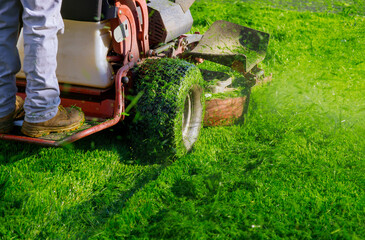
Green lawns function as a carbon sink by soaking up carbon dioxide in the soil. This is a good thing but the heavy carbon cost of maintaining grass lawns (lawn equipment, gas powered leaf blowers and mowers, fertilizers, pesticides and the frequent mowing) is not offset by this benefit. In fact, this carbon cost is contributing to global climate change.
The water waste associated with grass lawns exacerbates drought issues and contributes to water scarcity. Additionally, the mowing of lawns releases greenhouse gases that contribute to climate change and the frequent use of fertilizers harms biodiversity by encouraging the growth of invasive plants, disrupting natural ecosystems and causing environmental damage such as eutrophication, or nutrient enrichment of bodies of water, leading to toxic algae blooms.
Grass lawns are known for being a significant source of water pollution due to the runoff of chemical fertilizers, which often contain phosphorous and nitrogen, which wash into local bodies of water, polluting rivers, lakes and streams and killing wildlife. When this pollution is carried away by stormwater and deposited into lakes, rivers and streams, it causes toxic algal blooms that can poison humans and animals.
In addition, lawns are a source of carbon dioxide and other greenhouse gases from the burning of fossil fuels in the production and transportation of lawn chemicals and equipment. The lawn’s organic matter, meanwhile, is sent to landfills where it decomposes anaerobically and releases methane, another greenhouse gas.
The good news is that homeowners can shift from the cultural norm of green, manicured lawns to more sustainable landscape practices without sacrificing the benefits they provide for themselves, their families and their communities. T&B Lawncare can help with this transition by focusing on the health of the soil through adding organic matter, aerating compacted soil and using natural fertilizers that promote healthy root systems. We can also help with water conservation by implementing rainwater harvesting systems and smart irrigation techniques that reduce water usage.
Excessive Water Use
A well-maintained lawn requires periodic watering, but excessive use is detrimental to both the turf and the environment. In addition to wasting water, over-watering can lead to fungal problems and soil degradation. These issues rob the lawn of its resilience, resulting in costly maintenance needs. The good news is that simple, affordable measures can reduce excessive water usage and help maintain a healthy lawn.
In addition to reducing water waste, sustainable lawn care practices can also help reduce the dependence on chemical fertilizers and pesticides. These chemicals can run off into local waterways, straining the ecosystem and harming wildlife. They also emit greenhouse gases, contributing to climate change. In contrast, natural lawn care strategies like mowing less often, using organic fertilizers and choosing drought-resistant grass species can dramatically reduce the need for these harmful chemicals while promoting a healthier and more attractive yard.
While the long-term effects of overwatering are devastating, they are easy to spot, thanks to the visible signs that a lawn is squandering precious resources. These include yellowing grass, indicative of root suffocation; fungal growth, which thrives in overly moist conditions; and thatch buildup, a dense layer of organic material that prevents water and nutrients from penetrating the soil. Addressing these symptoms promptly is crucial to restoring the moisture balance, fostering resilient turf and improving overall soil health.
Aside from the ecological impact, over-watering squanders money by driving up municipal water bills. Moreover, this unnecessary consumption of water exacerbates global water shortages and enlarges the demand for environmentally harmful chemicals.
Grass lawns also contaminate the environment, contributing to pollution in local waterways by running off fertilizers and pesticides. These substances also disrupt the delicate ecological balance in nearby wetlands and rivers, altering habitats for native flora and fauna. As a result, lawns need to be managed in ways that minimize these impacts.
There are many other sustainable lawn care techniques that can mitigate over-watering, such as installing irrigation systems that automatically adjust based on weather conditions and water usage data. Watering deeply for shorter periods of time is another simple way to improve water efficiency, as it gives the roots enough time to absorb the water instead of letting it vaporize into the air. In addition, using mulch in garden beds and aerating the soil to increase the number of available holes can enhance water retention and promote healthy and drought-tolerant roots.
Gasoline Consumption
With a growing interest in sustainability, many homeowners and commercial properties are seeking eco-friendly alternatives for a variety of daily activities. Professional lawn care services are often overlooked as an area that could benefit from a shift towards greener practices, but reimagining what the ideal lawn looks like and switching to electric equipment can have an enormous impact on the environment.
Traditional lawn care uses gas-powered equipment that emits greenhouse gases and other pollutants into the atmosphere, contributing to air pollution and climate change. The equipment also requires frequent maintenance, which results in the waste of finite resources and further degrades the environment. Additionally, routine lawn maintenance involves the use of gasoline-based fertilizers and pesticides that can damage soil health, contaminate waterways, and negatively impact local ecosystems.
When managed organically with a holistic approach to lawn care, grass lawns can become powerful carbon sinks. Grass captures carbon dioxide during photosynthesis and stores it in the blades above ground as well as in the root system and the soil below. Regular mowing, as done by Clean Air Lawn Care, encourages new growth that further captures CO2. The addition of compost top dressing and the practice of leaving clippings on the lawn to decompose promotes even greater carbon sequestration.
However, the emissions from using lawn equipment are not limited to CO2. The same equipment releases a significant amount of fine particulates into the air, which can be damaging to human health and degrade the environment. In 2020, New York ranked fourth nationwide in the production of fine particulate matter from yard and garden equipment, behind California, Florida, and Texas. In addition, routine maintenance of lawn equipment can result in spills and leaks that can contaminate soil and water sources. By embracing electric lawn equipment and limiting the use of chemicals, homeowners can significantly reduce their environmental footprint while promoting healthy lawns.
Pesticides and Fertilizers
Insecticides, herbicides, fungicides and other lawn chemicals harm wildlife and the environment. They also contribute to the degradation of water quality and can be carried into lakes, rivers and oceans where they interfere with fish, shellfish, birds, mammals and other animals that depend on healthy ecosystems. They can even reach human bodies through the food chain, where they can affect our health.
Warmer temperatures and droughts create favorable conditions for pests to thrive. In response, homeowners use lawn treatments to control pest populations and diseases. While this can work temporarily, these chemicals do not address the root causes of disease and do more harm than good in the long run. They can also contaminate our local water supply, pollute the atmosphere and damage our planet.
Lawn chemical use is especially harmful to pollinators, and can be particularly toxic to young bees. Several synthetic pesticides have been linked to the decline of bee colonies, including neonicotinoids (like Roundup), pyrethroids and growth-regulating herbicides. These chemicals disrupt bee physiology, confuse their navigation systems and suppress their immune systems. They also destroy the plants that bees feed on, causing death and severe population declines.
Organic alternatives to pesticides are less toxic and are a much better choice for the environment. They can be purchased at most garden centers and natural foods stores, or online. They are usually composed of plant, animal and mineral ingredients that require more time for microbial decomposition and weathering to release the nutrients they contain. Unlike synthetic fertilizers, natural/organic lawn products are typically low in water soluble nitrogen.
A few simple changes can make a big difference in how our yards impact the environment. Avoid overwatering, which causes nutrients to leach out of the soil. Instead, direct downspouts into a rain barrel or a garden to catch stormwater for reusing in lieu of running off to storm sewers and bodies of water, or into porous materials like bricks and gravel, which allow the soil to absorb and retain rainwater.
When submitting a soil sample to get recommendations on fertilizer, request the lab only recommend natural/organic fertilizers rather than synthetic products. These have a more balanced ratio of N to P and are less likely to wash into creeks, rivers and oceans during heavy rainfall.