For many people, indoor comfort is about more than temperature control. It is about breathing easily, sleeping better, and feeling comfortable in your own space. Yet hidden within walls and ceilings, air duct systems can quietly influence indoor air quality in ways most property owners never consider. When dust, allergens, and debris accumulate inside ductwork, they may continuously circulate throughout the property every time the heating or cooling system runs.
Duct cleaning is often discussed in terms of efficiency or system performance, but one of its most meaningful benefits is improved indoor air quality—especially for individuals who struggle with allergies or respiratory sensitivities. In this article, we will focus specifically on how professional Duct Cleaning Salt Lake City supports cleaner indoor living, reduces airborne irritants, and creates a healthier environment for occupants.
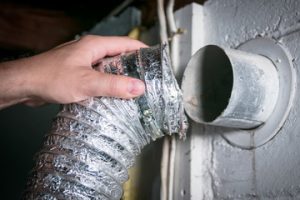
How Air Ducts Influence Indoor Air Quality
Air ducts function as the respiratory system of a building. They distribute conditioned air from the HVAC unit into every room and return air for reconditioning. Over time, these pathways can collect dust, pollen, pet dander, lint, and other microscopic particles.
Even with regular air filter changes, not all contaminants are captured. Fine particles can bypass filters, especially if lower-grade filters are used. Additionally, debris may enter the system during filter replacement, home renovations, or everyday activities.
When ducts are lined with accumulated dust and allergens, the HVAC system may redistribute those particles repeatedly. Each heating or cooling cycle can stir up settled contaminants, pushing them back into living spaces.
For individuals prone to allergies, this constant recirculation can aggravate symptoms and reduce overall comfort.
The Connection Between Duct Cleaning and Allergy Relief
Allergens such as dust mites, pollen, mold spores, and pet dander are common triggers for respiratory discomfort. While no single solution eliminates allergies entirely, reducing airborne irritants is a crucial step.
Professional duct cleaning can help minimize allergen buildup within the air distribution system. By removing debris from duct interiors, the overall concentration of recirculated particles may decrease.
This can be especially beneficial in households where:
- Pets shed fur and dander regularly
- Windows are frequently opened during high pollen seasons
- Construction or remodeling has generated dust
- Family members experience seasonal or chronic allergies
Cleaner ducts contribute to cleaner air movement, supporting a more comfortable indoor environment for sensitive occupants.
Signs Your Ducts May Be Affecting Air Quality
Because ductwork is hidden, many property owners do not realize it may be contributing to air quality concerns. However, certain warning signs suggest it may be time to consider duct cleaning.
Look for indicators such as:
- Excessive dust collecting on surfaces shortly after cleaning
- Visible dust blowing from vents when the system starts
- Persistent allergy symptoms indoors that improve outside
- Musty or stale odors circulating through vents
While these signs do not automatically confirm duct contamination, they may signal that the HVAC system is circulating more than just conditioned air.
A professional inspection can help determine whether duct cleaning is appropriate based on visible buildup and system conditions.
What Happens During Professional Duct Cleaning
Professional duct cleaning is a thorough and controlled process designed to remove contaminants without releasing them into the indoor environment. It typically begins with an inspection to evaluate the condition of the ductwork.
Specialized tools are then used to loosen debris from duct surfaces. High-powered vacuum systems extract the dislodged particles, preventing them from spreading throughout the property.
The process may include cleaning of:
- Supply and return ducts
- Air registers and vents
- Air handler components
- Accessible system parts associated with airflow
By addressing the entire air distribution network, professional duct cleaning ensures that contaminants are not left behind in connected areas.
Mold Concerns and Moisture Management
Moisture inside duct systems can create an environment conducive to mold growth. Condensation may form due to temperature differences, particularly if ducts are poorly insulated or exposed to humid conditions.
When mold develops within ductwork, spores can travel through the system and enter living areas. This may contribute to musty odors and potential respiratory irritation.
Duct cleaning can remove existing mold contamination when combined with proper remediation procedures. However, it is equally important to address the underlying moisture source to prevent recurrence.
If you notice a persistent musty smell when your HVAC system runs, a professional evaluation may be necessary to determine whether mold is present within the duct system.
The Role of Air Filters and Duct Maintenance
Air filters play an important role in maintaining indoor air quality, but they are not a complete solution. Filters capture a significant portion of airborne particles before they enter the HVAC system, yet some contaminants still pass through.
Routine filter replacement should always accompany duct maintenance. A comprehensive indoor air strategy includes:
- Regular air filter changes
- Periodic duct inspections
- Professional duct cleaning when needed
- Proper humidity control within the property
By combining these steps, property owners can significantly improve overall air cleanliness and reduce the circulation of irritants.
Duct Cleaning After Renovation or Construction
Renovation projects generate fine dust that can easily enter duct systems. Even if vents are covered during construction, debris may still find its way into ductwork.
After remodeling or major repairs, scheduling duct cleaning can remove residual construction dust that might otherwise circulate for months. This is particularly important when drywall sanding, flooring replacement, or structural modifications have occurred.
Post-construction duct cleaning helps restore air quality and prevents lingering dust from settling throughout the property long after the project is complete.
Creating a Healthier Environment for Families
For families with young children, elderly occupants, or individuals with asthma, indoor air quality is a top priority. Because children often spend time playing on floors and near vents, minimizing airborne irritants becomes even more important.
Duct cleaning contributes to a healthier home environment by reducing the reservoir of dust and allergens within the HVAC system. While it does not eliminate every airborne particle, it supports a cleaner baseline from which other air quality improvements can build.
When paired with routine cleaning and proper ventilation, duct maintenance helps create a more breathable living space.
How Often Should Duct Cleaning Be Scheduled?
Duct cleaning does not need to be performed frequently, but periodic evaluation is wise. The recommended frequency depends on factors such as occupancy levels, presence of pets, recent renovations, and overall air quality concerns.
Many properties benefit from inspection every few years, with cleaning performed as needed rather than on a strict schedule. Homes with allergy-sensitive occupants may require more attentive monitoring.
Instead of guessing, property owners should observe signs of buildup and consult professionals who can assess the system’s condition accurately.
Energy Efficiency as a Secondary Benefit
While this article focuses primarily on air quality, it is worth noting that clean ducts also support better airflow efficiency. When airflow is unobstructed, the HVAC system may operate more smoothly and distribute air more evenly.
Improved airflow can enhance overall comfort and potentially reduce strain on system components. While duct cleaning should not replace routine HVAC maintenance, it complements regular service by ensuring that air pathways remain clear.
Cleaner ducts support a balanced indoor environment from both an air quality and performance perspective.
Separating Fact from Misconception
There are misconceptions surrounding duct cleaning. Some believe it is unnecessary in all cases, while others assume it is required annually. The truth lies somewhere in between.
Duct cleaning is most beneficial when:
- Visible debris is present inside the ductwork
- Allergy symptoms persist despite other interventions
- Mold or moisture concerns are identified
- Construction dust has accumulated
It is not a universal solution for every indoor air issue, but when conditions warrant it, professional duct cleaning can provide meaningful improvements.
Final Thoughts: Breathing Easier Starts Behind the Walls
Duct cleaning may not be visible, but its impact can be felt throughout your entire property. By reducing accumulated dust, allergens, and debris within the HVAC system, professional duct cleaning supports cleaner indoor air and greater comfort—especially for those with respiratory sensitivities.
When combined with proper filter maintenance, humidity control, and routine HVAC service, duct cleaning becomes part of a comprehensive approach to healthier indoor living. It addresses the hidden pathways that influence air circulation and ensures that each breath you take indoors is as clean as possible.
For property owners committed to creating a healthier, more comfortable space, understanding the role of duct cleaning is an important step. Sometimes, the most significant improvements happen in the areas you cannot see—but feel every day.